
Complete Guide For Best AI For Writing Code
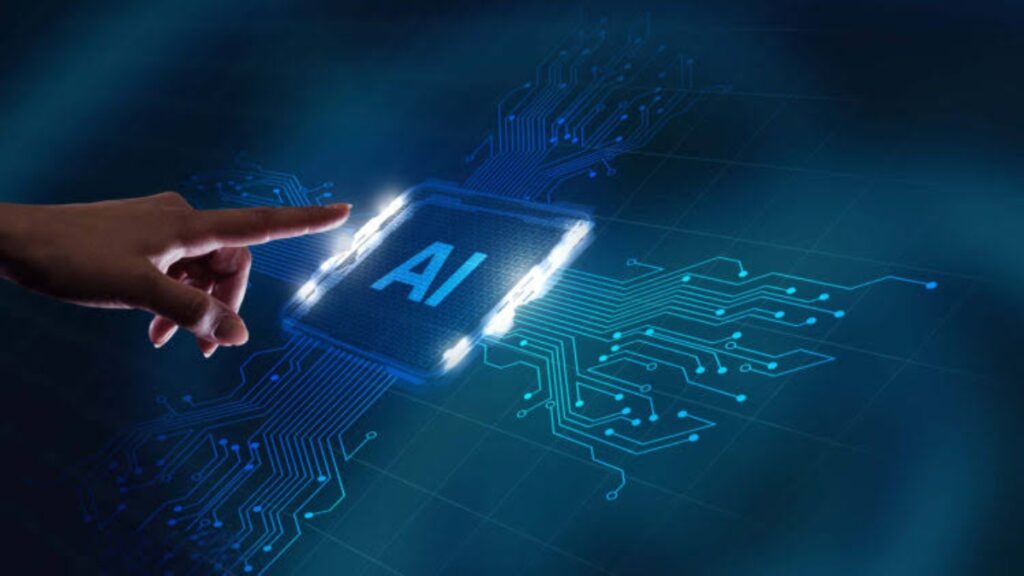
AI for writing code refers to tools and technologies powered by machine learning (ML) algorithms that assist developers in generating, debugging, and optimizing code. These AI systems are typically trained on vast amounts of programming language data, learning syntax, semantics, and best practices. AI code generators can predict code completions, suggest optimizations, and even write entire functions or programs based on natural language prompts.
Table of Contents
Advantages of Using AI for Writing Code
Below are details for the best AI for writing code advantages.
Speed and Efficiency
AI can generate code in a fraction of the time it would take a human developer, significantly accelerating project timelines. This rapid code generation enables teams to move from ideation to implementation more quickly, allowing for faster iterations and adjustments. By automating mundane coding tasks, developers can allocate their time to higher-level thinking and design. As a result, overall productivity increases, making it easier to meet tight deadlines and deliver projects ahead of schedule.
Fewer Errors
AI tools often come equipped with well-tested code snippets and built-in suggestions for improvement, which can drastically reduce the number of bugs and errors in the final product. These tools leverage extensive databases of coding best practices to offer solutions that are both effective and reliable. This can lead to higher code quality and lower maintenance costs, as fewer bugs mean less time spent on debugging and fixing issues later on. By catching potential errors early, AI can also contribute to a more stable and robust application.
Learning Tool for Beginners
For new developers, AI code generators serve as valuable learning aids by providing real-time code suggestions and explanations. This hands-on approach allows beginners to understand coding concepts in context, making the learning process more engaging and effective. As they experiment with the generated code, they gain insights into best practices and common patterns, which can accelerate their development journey. By bridging the gap between theory and practice, AI tools help cultivate a more skilled and confident coding workforce.
Automation of Repetitive Tasks
AI excels at automating routine and repetitive coding tasks, such as generating boilerplate code and managing configuration files. This automation allows developers to concentrate on more complex logic and problem-solving, enhancing their creative potential. By offloading mundane tasks to AI, teams can streamline their workflows and reduce burnout, leading to a more motivated and productive workforce. Ultimately, this focus on higher-order tasks can drive innovation and improve the quality of the final product.
Potential Downsides of AI Code Generators
Quality of Code
The quality of code generated by AI can vary significantly, often lacking adherence to established best practices. This inconsistency can lead to inefficiencies, such as slower execution times and increased resource consumption. Additionally, poorly optimized code is more prone to bugs, which can complicate debugging and maintenance efforts. Developers may find themselves spending extra time addressing these issues, diverting attention from more critical tasks.
Security Vulnerabilities
One major concern with AI-generated code is the potential for security vulnerabilities. Since AI models may not fully understand the nuances of security best practices, they can inadvertently produce code that is susceptible to attacks. Common pitfalls include inadequate input validation and reliance on outdated libraries, which can expose applications to threats. This raises the importance of thorough security audits for any AI-generated output before deployment.
Lack of Context
AI often lacks the specific context of a project, which can lead to solutions that are misaligned with existing codebases or requirements. This gap in understanding can result in generated code that does not integrate smoothly with other components. Consequently, developers might need to invest significant time in reworking or refactoring this code to fit their needs. Effective collaboration and communication about project goals are crucial to mitigate this issue.
Over-reliance on Automation
The increasing reliance on AI tools can lead developers to become overly dependent on automation. This dependence risks diminishing their problem-solving skills and understanding of fundamental coding principles. As developers lean more on AI-generated solutions, they may miss opportunities to learn and grow in their craft. Striking a balance between leveraging AI and maintaining hands-on coding practices is essential for fostering skill development.
Maintenance Challenges
AI-generated code can pose significant maintenance challenges, particularly when it employs unconventional coding practices or lacks adequate documentation. Developers may struggle to decipher the logic behind the code, making modifications difficult and time-consuming. Furthermore, the absence of comments and clear structure can hinder collaborative efforts among team members. Maintaining clear documentation and adhering to standard coding conventions can help alleviate these challenges.
Intellectual Property Issues
The use of AI tools in code generation raises important intellectual property concerns. Questions about ownership and licensing can arise when AI produces code that closely resembles existing copyrighted works. This uncertainty can complicate legal implications for companies using such tools, as they may inadvertently infringe on intellectual property rights. Clear guidelines and policies regarding the use of AI-generated content are necessary to navigate these issues effectively.
Reduced Collaboration
Heavy reliance on AI in development teams can diminish collaboration and knowledge sharing among developers. When team members depend on automated solutions, they may miss out on valuable discussions and insights that come from collective problem-solving. This shift can create silos where individuals rely solely on AI outputs instead of collaborating and learning from one another. Encouraging a culture of teamwork and open communication is vital to counteract this trend.
Bias in Training Data
AI models are susceptible to biases present in their training data, which can impact the generated code’s inclusivity and fairness. If the training data reflects existing stereotypes or inequalities, the code may perpetuate these biases, leading to unequal treatment or functionality for users. Addressing this issue requires continuous evaluation and refinement of training datasets to ensure a more equitable outcome. Promoting diverse perspectives in the development process can also help mitigate bias.
Limited Problem Solving
AI can struggle with complex or novel problems that necessitate creative and out-of-the-box solutions. In such cases, AI may default to simplistic or standard patterns that do not adequately address the specific challenges at hand. This limitation can hinder innovation and lead to suboptimal results for projects requiring tailored approaches. Developers should be encouraged to engage deeply with problem-solving rather than relying solely on AI-generated solutions.
Integration Issues
AI-generated code may encounter integration challenges when interfacing with other systems or tools. These compatibility issues can necessitate additional development efforts to ensure seamless operation across various platforms. Without proper integration, the potential benefits of AI-generated code can be diminished, leading to delays and increased costs. Effective testing and validation processes are essential to identify and address these integration hurdles early in the development cycle.
Learn to Code Faster with AI Tools
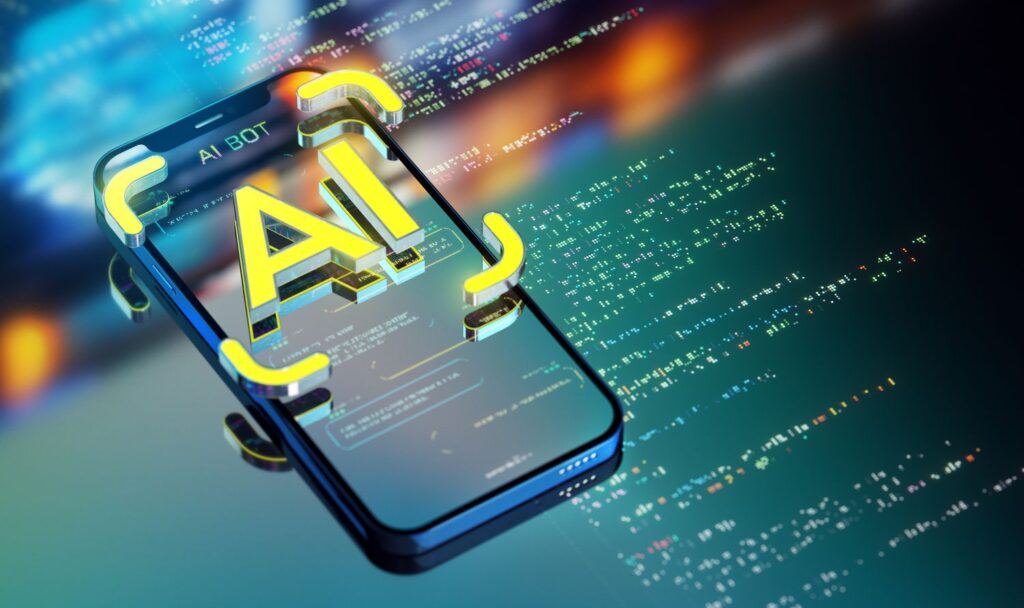
Learn to code with AI tools like Click-coder, GitHub Copilot, and OpenAI Codex, which offer real-time suggestions and explanations to accelerate your learning journey. These AI-powered assistants simplify complex coding concepts by converting natural language prompts into functional code, helping beginners grasp syntax, best practices, and debugging techniques quickly. By providing interactive, hands-on support, these tools bridge the gap between theory and practice, enabling learners to build confidence and improve their skills efficiently.
FAQ
Can AI replace human coders?
No, AI can assist in writing code, but human coders are still essential for complex problem-solving, creative design, and ensuring code quality.
What programming languages do AI code generators support?
Most AI code generators support popular languages like Python, JavaScript, Java, C++, and TypeScript. However, each tool may have its own set of supported languages.
Are AI code generators secure?
AI code generators can introduce vulnerabilities if the code isn’t reviewed. It’s crucial to verify the code for potential security risks, especially when handling sensitive data.
Do I need programming experience to use AI for writing code?
While some AI tools can assist beginners, having a foundational knowledge of programming is recommended to effectively use AI code generators.
Conclusion
AI for writing code is revolutionizing software development, offering significant advantages in terms of speed, accuracy, and automation. Tools like GitHub Copilot, Tebnine, and OpenAI Codex are leading the charge in enhancing developer productivity and helping both new and experienced coders. While AI won’t replace human developers anytime soon, it is certainly a valuable assistant that is reshaping how code is written in modern development environments.
About The Author