
What to Expect From an Emergency Towing Service in San Diego?
Emergency Towing in San Diego helps drivers handle breakdowns, accidents, and roadside emergencies across local highways and neighborhoods. This guide explains towing procedures, response times, safety tips, vehicle recovery methods, and what drivers can expect when needing assistance in San Diego, Mission Valley, Kensington, Grantville, La Jolla, and surrounding areas.

Vehicle problems rarely happen at a convenient time. A flat tire during rush hour, an overheated engine near the freeway, or a collision late at night can leave drivers unsure what to do next. Understanding what to expect from Emergency Towing in San Diego helps drivers make informed decisions during stressful situations. San Diego’s busy highways, coastal routes, and urban neighborhoods create unique roadside challenges that require prompt assistance. Whether someone experiences trouble in Downtown San Diego, Mission Valley, or La Jolla, knowing how emergency towing services work can reduce confusion and improve safety.
Table of Contents
When Should Drivers Call an Emergency Towing Service?
Common Vehicle Problems That Require Towing
Many roadside incidents make driving unsafe or impossible. Engine failure, transmission problems, dead batteries, overheating, and severe tire damage often require professional assistance. Drivers involved in collisions may also need an accident towing service to remove damaged vehicles safely. In some situations, vehicles become stuck in parking structures, roadside ditches, or flooded areas. These circumstances often require a vehicle recovery service in San Diego to prevent additional damage. Recognizing these warning signs helps drivers request help before conditions become more dangerous.
Roadside Emergencies on San Diego Highways
San Diego drivers frequently travel on Interstate 5 (I-5), Interstate 8 (I-8), and Interstate 15 (I-15), where vehicle breakdowns can quickly create hazardous conditions. Heavy traffic and limited shoulder space increase the importance of quick response times. Emergency towing in Mission Valley and other busy areas often involves managing traffic conditions while ensuring driver safety. A professional emergency tow truck service understands local road patterns and dispatch procedures. Drivers should move to a safe location whenever possible while waiting for assistance. Remaining visible and avoiding moving traffic reduces risk.
How Does the Towing Process Work?
What Happens After You Call for Help?
When contacting a towing company in San Diego, drivers typically provide their location, vehicle information, and a description of the problem. Dispatchers use this information to determine the proper equipment and response. A tow truck service in San Diego may also ask whether the vehicle is blocking traffic or located in an unsafe area. Accurate information helps reduce delays and ensures the right vehicle arrives. Drivers often receive estimated arrival times and basic instructions while waiting. Clear communication helps the process move smoothly from beginning to end.
Arrival and Vehicle Assessment
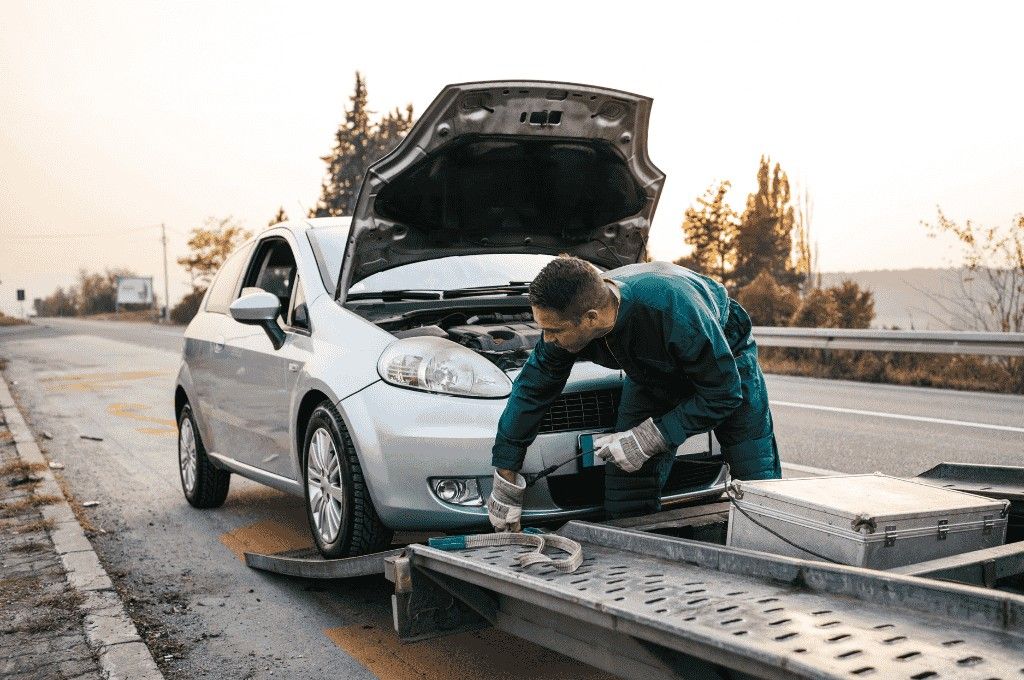
Once the tow truck arrives, the operator performs a safety inspection before loading the vehicle. The driver evaluates tire conditions, drivetrain type, damage severity, and surrounding hazards. Some issues can be resolved on-site through roadside assistance rather than towing. If transportation is necessary, the operator explains the loading procedure and destination options. Local tow truck service providers may recommend repair facilities if requested. Proper vehicle assessment helps prevent additional damage during transport.
What Types of Tow Trucks Are Used?
Flatbed Towing for Modern Vehicles
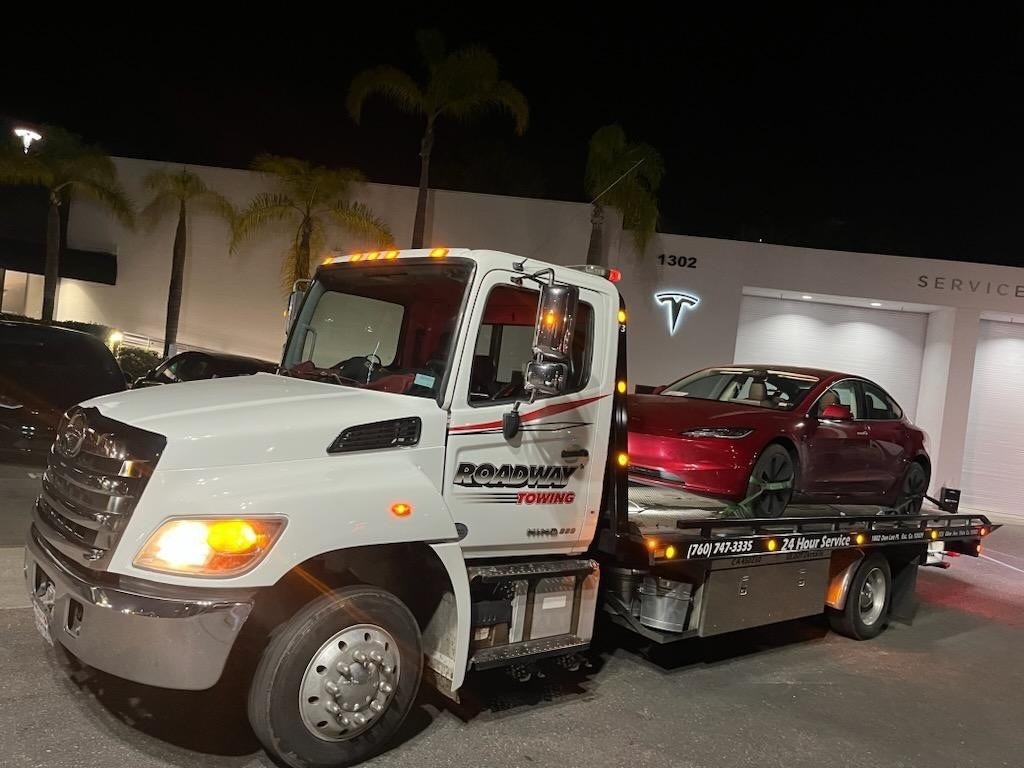
A flatbed towing service in San Diego is commonly used for luxury vehicles, electric cars, all-wheel-drive vehicles, and damaged automobiles. The vehicle is fully loaded onto a platform rather than being pulled along the road. This method reduces wear and minimizes potential damage during transport. Many drivers request flatbed towing after accidents or mechanical failures. It also provides added protection for low-clearance vehicles. As newer vehicles become more advanced, flatbed equipment continues to grow in importance.
Wheel-Lift and Recovery Equipment
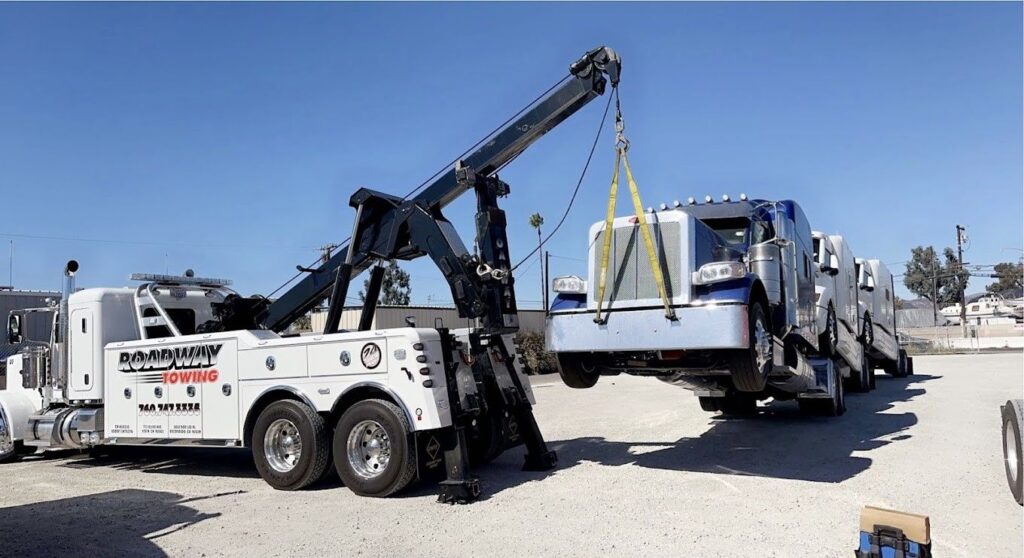
Some towing situations require wheel-lift trucks or specialized recovery equipment. Vehicles trapped in difficult positions, in parking garages, or on roadside embankments may require additional recovery techniques. A vehicle recovery service in San Diego often uses winches, stabilizing equipment, and safety gear. Recovery operations focus on removing vehicles carefully while protecting surrounding property. Experienced operators evaluate the safest approach before beginning recovery work. This process helps prevent unnecessary vehicle damage.
How Fast Can Emergency Towing Services Respond?
Factors That Affect Arrival Times
Response times depend on traffic conditions, weather, vehicle location, and service demand. Areas such as Downtown San Diego and Mission Valley may experience delays during peak traffic periods. However, a 24-hour towing service in San Diego generally maintains dispatch coverage throughout the day and night. Incidents near major freeways may receive faster responses because of their safety risks. Drivers searching for a tow truck near me often expect immediate service, but several variables influence arrival estimates. Communication with dispatch helps set realistic expectations.
Local Knowledge Improves Efficiency
A local towing company in San Diego often understands neighborhood traffic patterns and alternative routes. Service providers familiar with Kensington, Grantville, Chula Vista, and La Jolla can navigate efficiently during emergencies. Drivers needing towing service in Kensington or a local tow truck in Grantville may benefit from operators who know local streets and access points. Knowledge of road closures, construction zones, and traffic congestion helps reduce delays. Familiarity with San Diego neighborhoods improves overall service coordination. This local experience can make roadside assistance more efficient.
Need help during a roadside emergency? Keep local towing information available so you can quickly access assistance whenever unexpected vehicle problems occur in San Diego.
What Should Drivers Do While Waiting?
Staying Safe During a Breakdown
Safety should remain the highest priority after a breakdown. Drivers should activate hazard lights, move to a safe location if possible, and remain aware of surrounding traffic. If the vehicle cannot move, staying inside with seat belts fastened may be safer on busy roads. Helpful safety steps include:
- Turn on hazard lights.
- Use reflective triangles if available.
- Keep mobile phones charged.
- Avoid standing near traffic lanes.
These actions reduce risk while waiting for assistance.
Preparing for the Towing Process
Drivers can make the towing process easier by gathering registration documents, insurance information, and vehicle details. Removing valuable belongings from the vehicle may also be advisable before transportation begins. Some drivers use a map navigation to find their destination before the tow truck arrives. This preparation allows the operator to complete paperwork efficiently. Knowing the repair location in advance may reduce delays. Good preparation improves the overall experience.
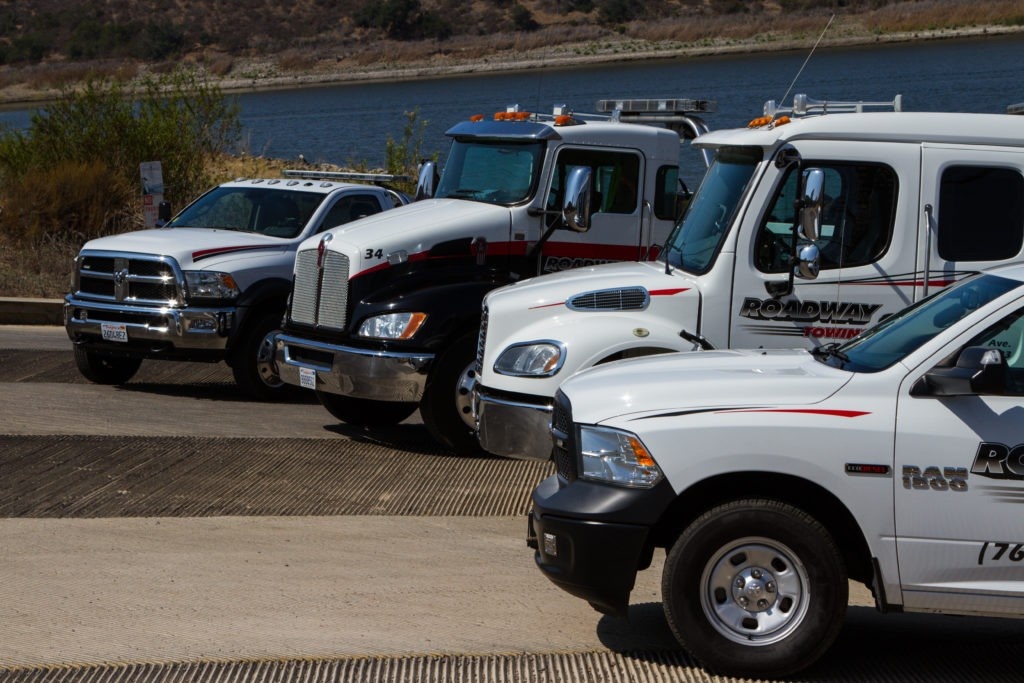
Why Local Towing Knowledge Matters in San Diego?
Neighborhood-Specific Challenges
Every part of San Diego presents different roadside conditions. Coastal areas such as La Jolla may experience heavy tourist traffic, while Downtown San Diego often has limited parking and congested streets. Emergency towing in Mission Valley may involve busy shopping districts and freeway interchanges. Residential neighborhoods like Kensington require careful navigation on local roads. Understanding these differences helps towing operators work more efficiently. Local experience supports better decision-making during emergencies.
Navigating San Diego Roads
Drivers traveling between Chula Vista, Mission Valley, Downtown San Diego, and coastal communities often rely on Interstate 5, Interstate 8, and Interstate 15 for daily transportation. These major routes connect neighborhoods but can become congested during commuting hours. Local tow truck service providers frequently use alternative routes to improve response times. Accessibility to major roads allows faster vehicle transportation when necessary. Understanding San Diego traffic patterns benefits both drivers and towing professionals.
Conclusion
Understanding what to expect from Emergency Towing in San Diego helps drivers remain prepared during unexpected breakdowns and roadside emergencies. Knowing the towing process, response expectations, and safety practices can reduce stress and improve decision-making. From freeway incidents to neighborhood breakdowns, professional towing services play an important role in keeping local roads safe.
San Diego drivers encounter a variety of conditions throughout the region, from busy highways to residential streets. Being informed about towing procedures, vehicle recovery options, and roadside safety helps drivers respond confidently when problems occur. Preparation and awareness can make a difficult situation much easier to manage.
Explore the Latest Towing Industry Insights
How to Choose a Trusted Towing Service Near You?
Best Light Duty Towing in Poway, CA: Tips & Top Services
Why Flatbed Towing Is the Safest Way to Transport Your Vehicle
Cheap Towing Company in Santa Ana Offering Fast and Reliable Help
How Emergency Roadside Assistance Services Improve Driver Safety?
Frequently Asked Questions
How quickly can a tow truck arrive in San Diego?
Arrival times vary depending on traffic, weather, and vehicle location. Busy highways and peak travel periods can influence response times. Most emergency services provide estimated arrival windows during dispatch. Remaining in contact with the dispatcher helps drivers stay informed.
Is flatbed towing better for my vehicle?
Flatbed towing provides additional protection because the entire vehicle rides on the truck platform. It is especially helpful for luxury, electric, and all-wheel-drive vehicles. Damaged vehicles also benefit from this method. Many drivers choose flatbed service for added peace of mind.
What information should I provide when calling?
Drivers should share their location, vehicle make and model, and a description of the problem. Information about accidents or hazardous conditions is also helpful. Accurate details allow dispatchers to send proper equipment. This can reduce delays during service.
Can towing services help after an accident?
Yes, accident towing service providers can remove damaged vehicles from roads or parking areas. Operators assess the vehicle before loading it safely. In some situations, recovery equipment may also be necessary. Safety remains the primary concern after a collision.
Should I stay inside my vehicle while waiting?
It depends on the situation and surrounding traffic conditions. On busy highways, remaining inside with seat belts fastened may be safer. If the vehicle is in a secure location away from traffic, standing outside at a safe distance may be appropriate. Always prioritize personal safety.
About The Author